

 Language
 Language
Cellulose fibers are a type of fiber that can be made from plant-based materials like wood, bark, leaves, or other plant materials.
They are used in a variety of applications, including
Textiles
Cellulose fibers are used in the textile industry
01
Chemical filters
Cellulose fibers are used as chemical filters.
02
Fiber-reinforcement composites
Cellulose fibers are used in fiber-reinforcement composites.
03
Food
Cellulose is used in some foods to thicken, mix, or provide bulk. It can be found in ice creams, frozen yogurts, bread, and meal replacement shakes.
04
Biomaterial
Cellulose fibers can be used as a biomaterial for cartilage regeneration.
05

Cost-effective: Cellulose fibers are inexpensive and easy to find.
Eco-friendly: Cellulose is a natural polymer that is biodegradable, recyclable, and requires less energy to manufacture.
Low density: Cellulose fibers are lightweight, which gives them high specific properties.
Good insulation: Cellulose fibers have good electrical and acoustic insulation properties.
Can replace glass fibers: Cellulose fibers can be used as a substitute for glass fibers in composite materials.
Improve pet food texture: Cellulose fibers can be used to improve the texture of pet food products.
Improve bowel movements: Fiber in the diet can help improve bowel movements by absorbing water and softening stools.
Reduce noise: Cellulose fiber insulation in roofs can reduce noise transmission from external and internal sources.
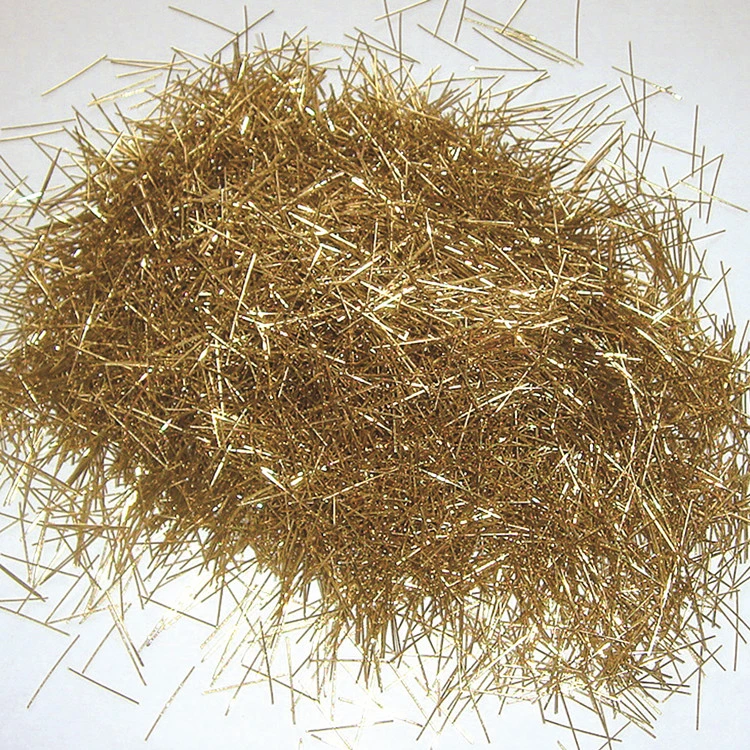
There are several types of cellulose fibers, including
Plant fibers
These include cotton, flax, hemp, jute, kapok, ramie, and sisal.
Regenerated cellulosic fibers
These fibers are made by converting natural cellulose into a soluble derivative and then regenerating it. Rayon and viscose are examples of regenerated cellulosic fibers.
Cellulose acetate
This is the acetate ester of cellulose, which was first manufactured commercially in 1923.
Beta cellulose
This is less common than alpha cellulose and is usually found in the middle layer of plant cell walls. It has lower polymerization and crystallinity levels than alpha cellulose.
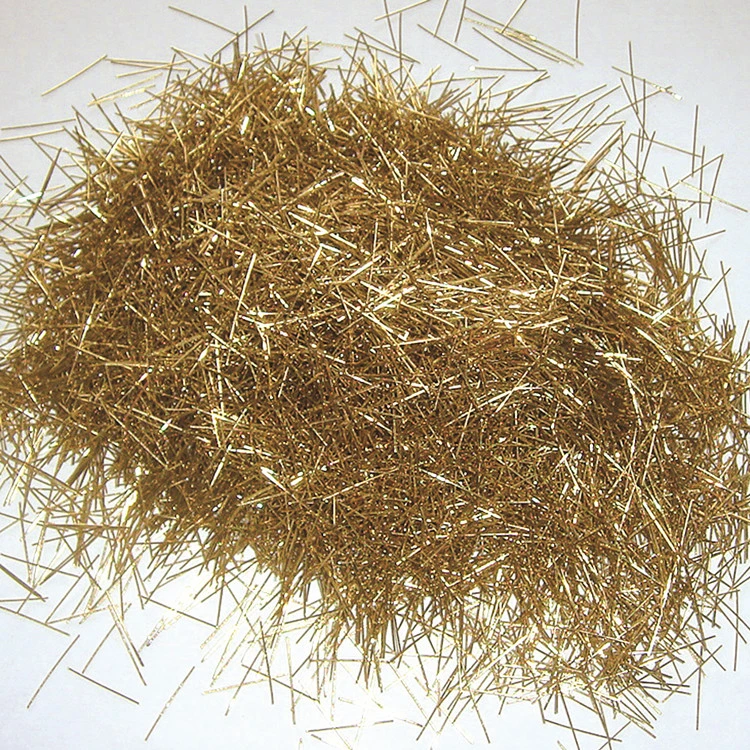
Cellulose fibers are made from cellulose, a natural polymer found in the bark, wood, leaves, and other plant-based materials. Cellulose is the most abundant natural polymer and is made up of D-glucose units linked by β-1,4-glycosidic bonds.
Cellulose fibers are classified based on their source, including:
Leaf: Pineapple, sisal, banana, abaca, cantala, date palm, henequen curaua
Seed: Cotton
Bast: Jute, ramie, flax, hemp
Fruit: Coir, kapok, oil palm
Grass: Bagasse, bamboo, alfa
Stalk: Straw (cereal)
Cellulose fibers are also used in the production of man-made cellulosic fibers (MMCFs), which are often derived from wood. MMCFs can also be made from waste streams like post-industrial scraps and post-consumer garments.
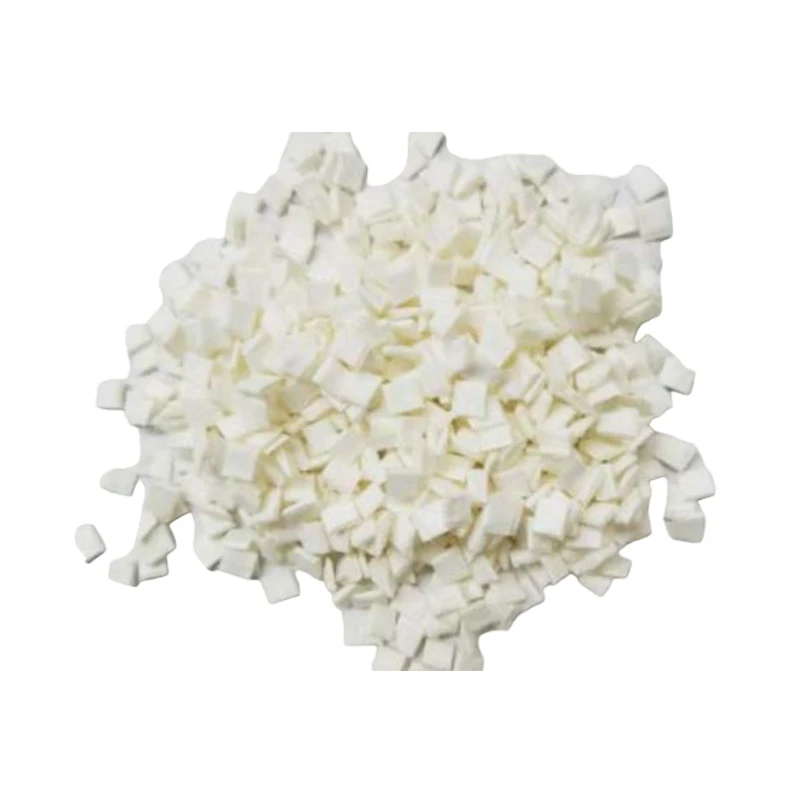
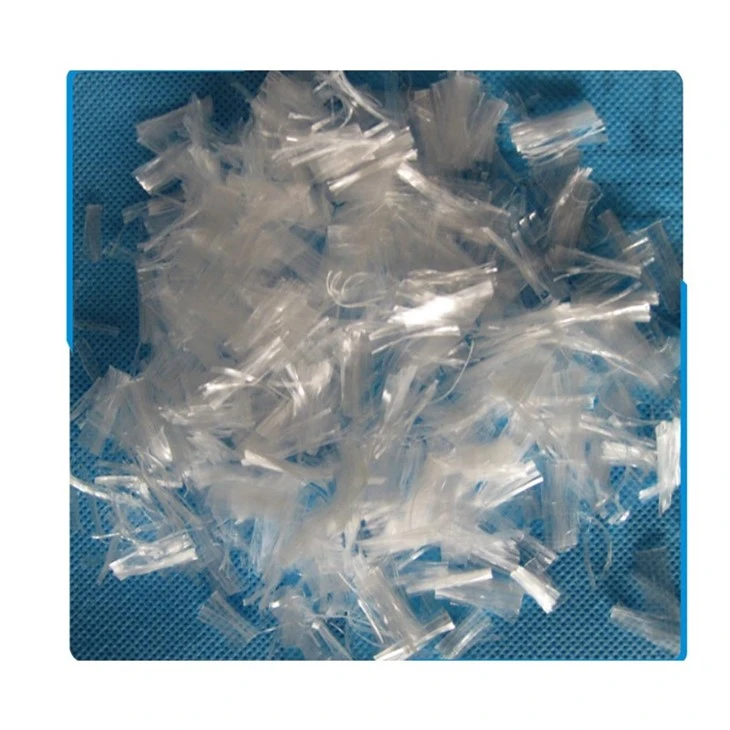
Extracting cellulose: The process starts with debarking and shredding timber, then cooking it with heat and chemicals to extract the cellulose.
Dissolving cellulose: The cellulose is dissolved using chemical or physical methods.
Spinning: The dissolved cellulose is spun to form soft filaments. This can be done using wet spinning, dry spinning, or dry-jet/wet-spinning.
Regenerating: The filaments are regenerated into textile fibers.
Washing: :
Always check the care label for specific instructions.
Wash in cold water with a mild detergent.
Avoid harsh chemicals like bleach unless absolutely necessary.
Consider using a gentle cycle on your washing machine.
Do not overload the washing machine.
Drying: :
Air dry whenever possible to minimize shrinkage and damage from heat.
If using a dryer, use a low heat setting and remove items promptly.
For delicate items, consider using a dryer sheet or a drying rack.
Ironing: :
Iron on a low heat setting, if needed, and use a pressing cloth to protect the fabric.
Consider using a steam setting for easier wrinkle removal.
Storage: :
Store cellulose fabrics in a cool, dry place away from direct sunlight.
Fold garments carefully to prevent creases.
Use breathable storage containers to allow air circulation.



Q: What are cellulose fibers used for?
A: Cellulose fibers are used as reinforcement in many applications. It is also used in drilling operations when circulation is interrupted.
Q: What are the advantages of cellulose fibers?
A: Cellulose fibers are biodegradable, renewable, cost-effective, and lightweight.
Q: What is cellulose insulation?
A: Cellulose insulation can absorb 80% or more of contact sound. It is also effective in reducing air infiltration. The amount of insulation required depends on the location and area of the house to be insulated.
Q: How durable is cellulose?
A: Cellulosic materials have high mechanical strength, high purity, non-toxic, biodegradable and biocompatible. In this paper, the properties and advantages of various cellulosic materials for environmental, biomedical, energy, and food applications are analyzed in detail.
Q: Why is cellulose fiber important?
A: Cellulose is also an insoluble fiber and does not dissolve in water. When consumed, insoluble fibers can help push food through the digestive system and support regular bowel movements、
Q: Does cellulose degrade over time?
A: In nature, cellulose is naturally biodegraded by various microorganisms. Degradation is carried out by enzymes called cellulases secreted by cellulolytic bacteria and fungi.
Q: Is cellulose a sustainable material?
A: By sourcing local materials, such as the paper you put in your recycling bin, using low-energy manufacturing and reducing the need for long-haul transportation, cellulose insulation is an environmentally responsible choice.
Q: Are your products available Nationwide?
A: Yes, we ship to all 50 states!
Q: What are typical lead times?
A: Lead times are contingent on the specific product but typically the lead time is 2-4 weeks on a custom order.
Q: Is cellulose fiber good for you?
A: Cellulose also counts as dietary fiber, though Messer says the amount added to shredded cheese “is so negligible it doesn't contribute significantly to your daily fiber intake.” In larger quantities though, naturally occurring cellulose plays a vital role in digestive health and helps promote regular bowel movements.
Q: What are the disadvantages of cellulose fibers?
A: Cellulose fibers also have some disadvantages such as moisture absorption, quality variations, low thermal stability and poor compatibility with the hydrophobic polymer matrix.
Q: What is cellulose fiber made of?
A: Manufactured cellulose fibers come from plants that are processed into a pulp and then extruded in the same ways that synthetic fibers like polyester or nylon are made. Rayon or viscose is one of the most common "manufactured" cellulose fibers, and it can be made from wood pulp.
Q: Is cellulose fiber plastic?
A: First of all, cellulose on its own is not a plastic.
Q: Is cellulose fiber good?
A: Cellulose is a safe and inexpensive carbohydrate that comprises the woody parts and cell walls of plants. It is a type of dietary fiber found naturally in fruits, vegetables, and cereals. The cellulose added to processed foods usually comes from wood pulp (saw dust) or cotton lint
Q: What are the disadvantages of cellulose fiber?
A: Cellulose insulation has many benefits that make it a popular choice for homeowners and building owners looking to improve energy efficiency. However, it's important to also consider its potential drawbacks such as moisture issues, settling over time, and the need for professional installation.
Q: Is cellulose safer than fiberglass?
A: Mold Grows When Wet – Like fiberglass, cellulose is ineffective when wet, but unlike fiberglass, it can also be dangerous. The paper base of cellulose provides the perfect environment for mold and mildews to grow and the boric acid used to treat it can become corrosive when in contact with water.
Q: Is cellulose Fibre eco friendly?
A: Cellulose is a versatile and sustainable textile material that has been gaining popularity in the fashion industry due to its eco-friendly properties. Derived from plants, cellulose fibres offer a natural alternative to synthetic fabrics and can be produced in a way that reduces environmental impact.
Q: What is better, spray foam or cellulose?
A: Cellulose Insulation: While it provides good coverage and some resistance to airflow, it is not as effective as spray foam in sealing air leaks. It also doesn't mix well with water and may mold or mildew in damp areas.
Q: What's the difference between cellulose and fiberglass insulation?
A: Compared to fiberglass, cellulose is a superb air-blocker. Air moving through a vented attic deposits dirt and dust into fiberglass batts; this is called wind-washing. Dirty fiberglass batts have a significantly reduced R-value. Because it is denser than fiberglass, cellulose is much more resistant to wind-washing.
Q: Is cellulose 100% biodegradable?
A: They are considered environmentally friendly fibers known to degrade very easily by microorganisms when buried. However, not all cellulose fibers are characterized by the same biodegradability due to mutual differences in chemical structure and physical characteristics [16,17,18].
Q: Is cellulose a natural fiber?
A: Cellulose is the most abundant natural polymer, which is composed of D-glucose units linked by β-1,4-glycosidic bonds at C1 and C4 positions (Banwell et al., 2021; Zhang et al., 2018).
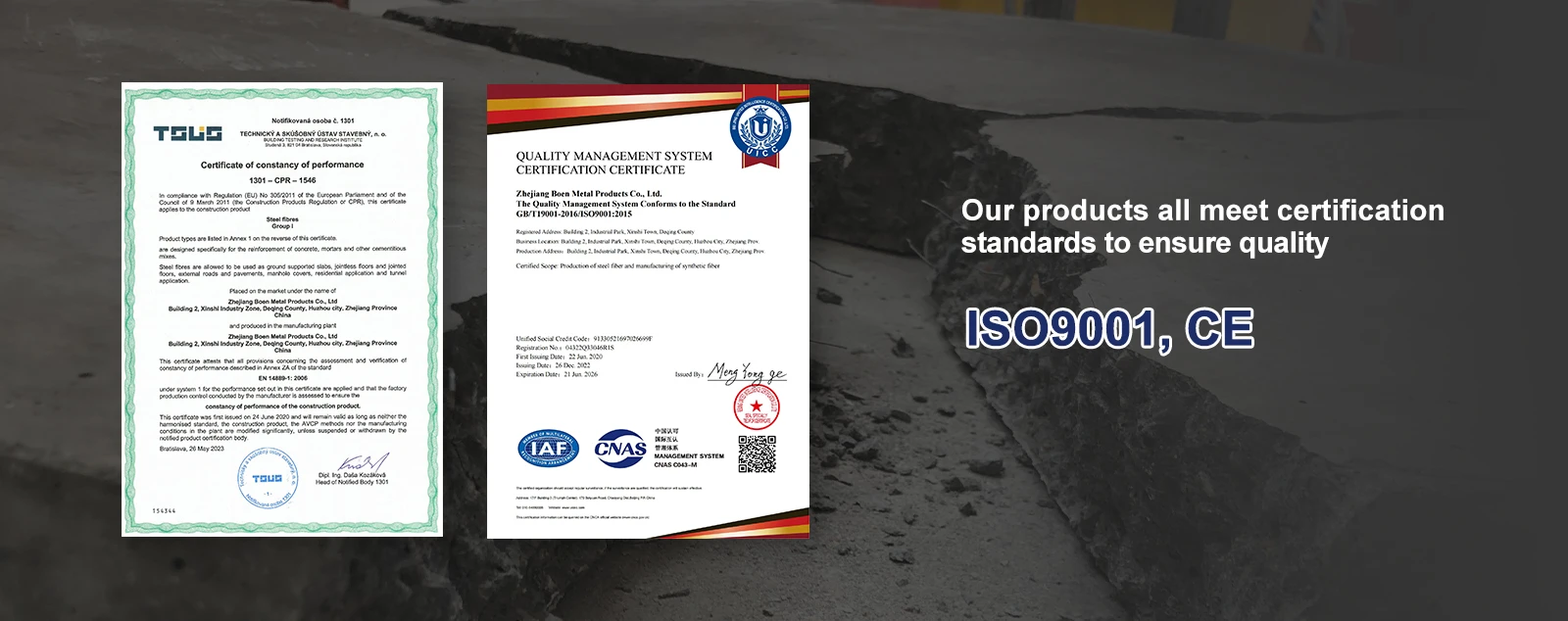
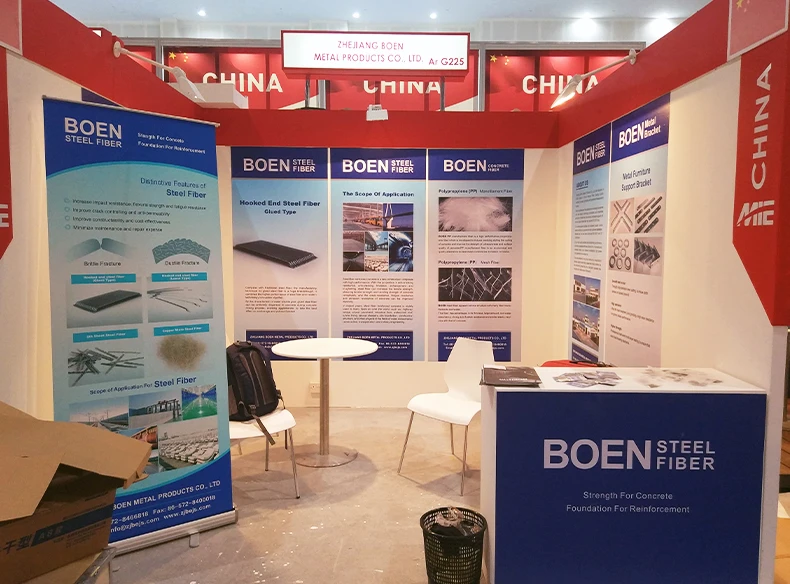
As one of the most professional cellulose fiber manufacturers and suppliers in China, we're featured by quality products and competitive price. Please rest assured to buy bulk cellulose fiber from our factory.
cellulose fiber, cellulose fiber for concrete reinforcement(0/10)
